Have you ever seen an image of the future in an advertisement that gave you hope?
And what would that look like if the future wasn’t high-tech?

In this project, you’ll learn how ads from the past and present use images of the future to see new possibilities and solve problems.
You’ll compare the values, design, technology, and styles shown in these futuristic ads.
Next, you’ll imagine a future where digital technologies have collapsed. Then, using what you learned from both old and new ads, you’ll create your own print ad for a new product to help people in this futuristic world!
For parents or teachers who want to learn more about the project

To get started on our journey from the early 1900s all the way Into the Future

Advertising Tomorrow
Play me!


Let’s begin in the past:
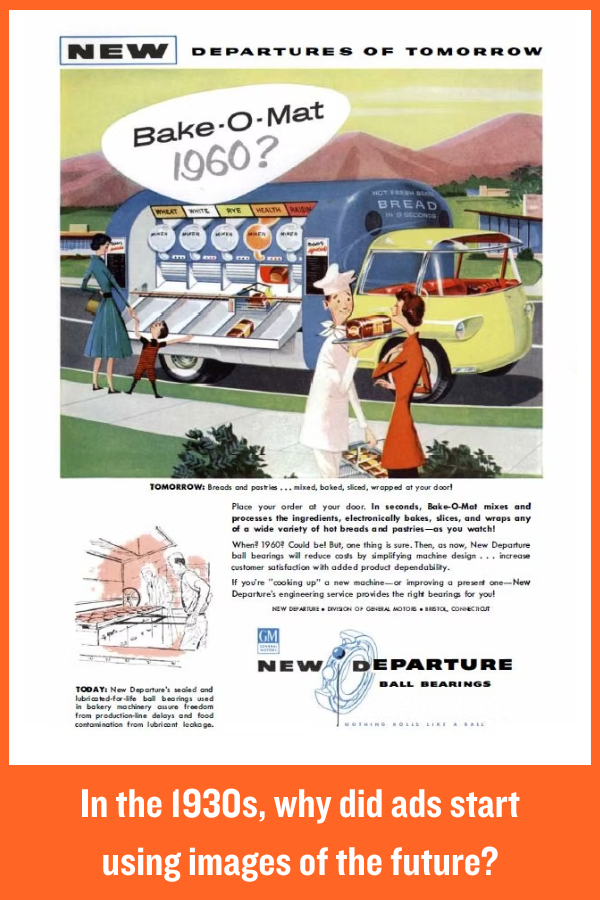
People needed
hope!
Times were tough, and stores didn’t have much to sell. Ads had to make people feel hopeful, even if they couldn’t buy much. So they showed a happy future with comfort, fun, and cool inventions. The ads made it seem like their product could help make that future come true!
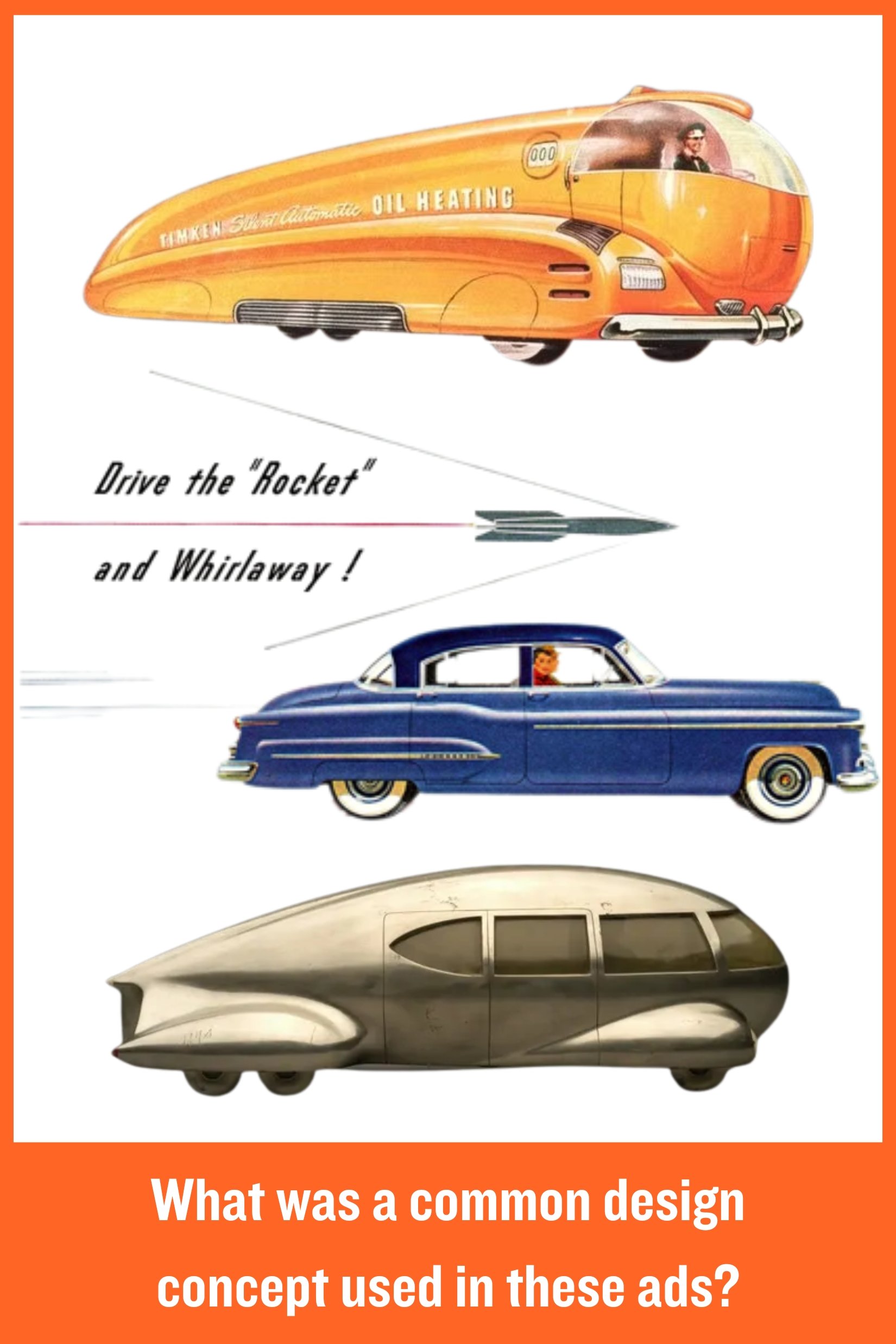
Streamlined Design!
In the 1930s, designer Norman Bel Geddes came up with the concept of “streamlining” to show movement and progress through design.
This design strategy was often used
in advertisements!
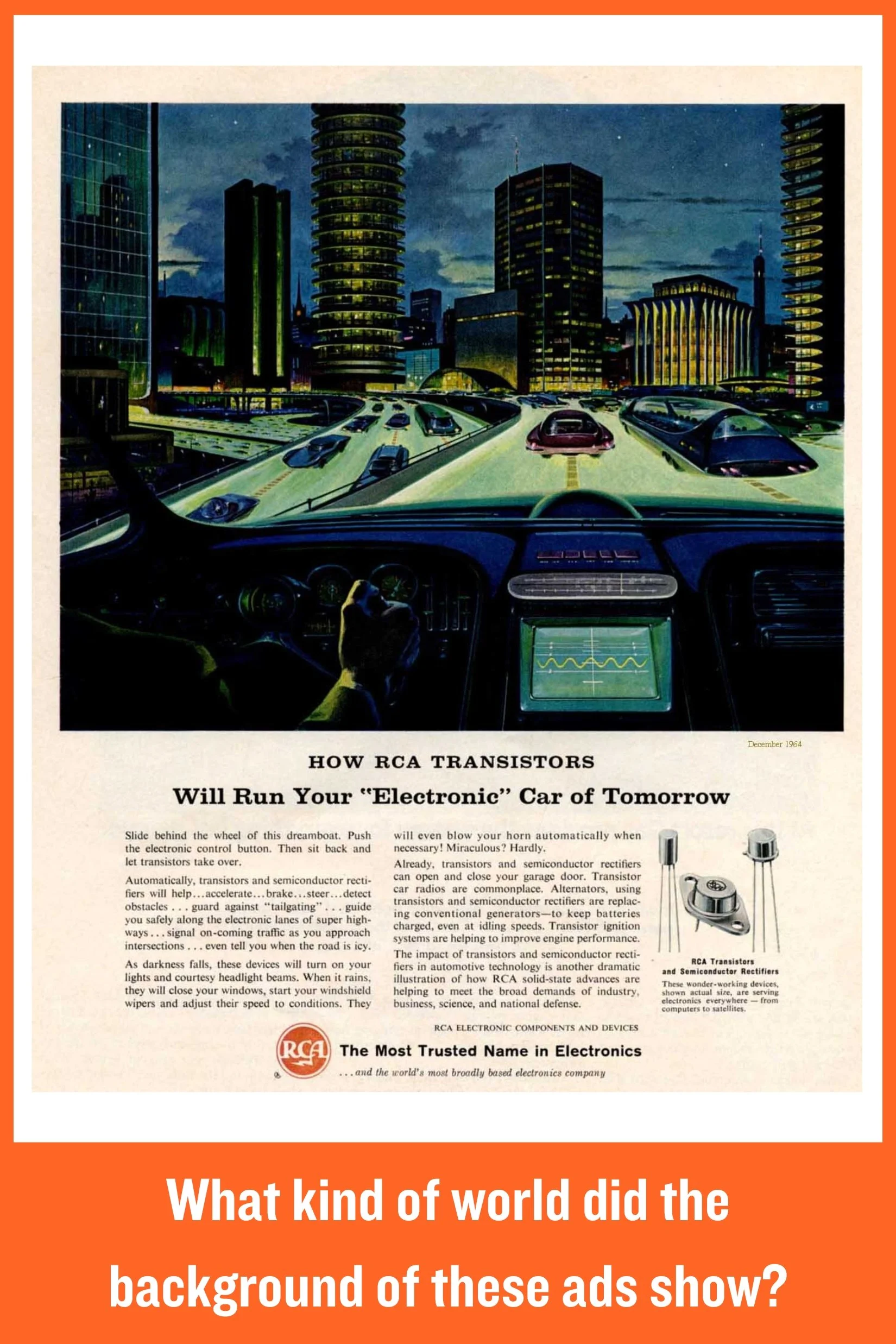
A futuristic utopia!
Advertisers didn’t show what the future would really be like—they showed what people hoped it would be like. They wanted people to imagine an exciting, easy life where everything worked smoothly.
These pictures gave people hope about how great the future could be.
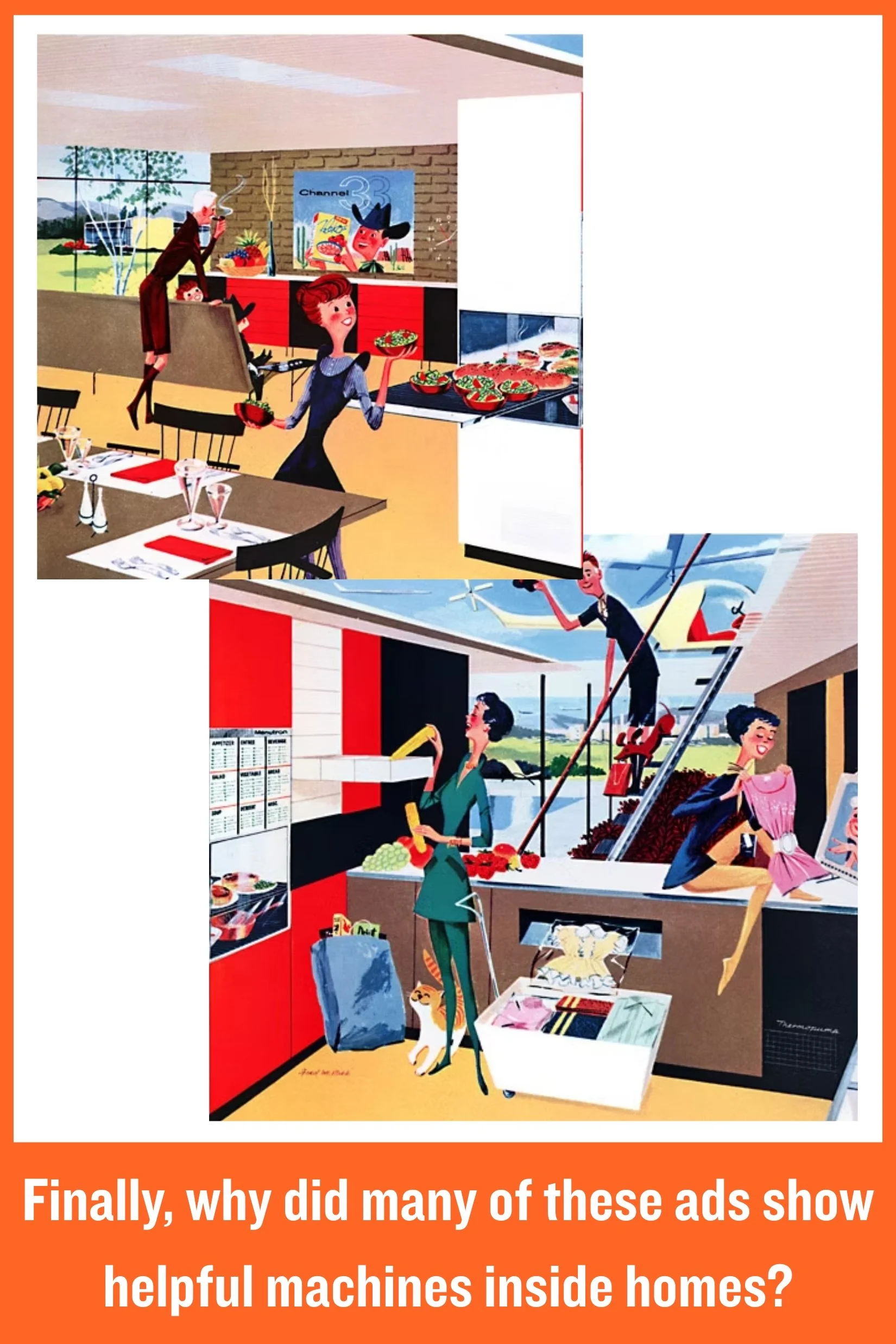
That’s where people spent their time!
In hard times, people spent more time at home—and hoped home life could get easier. Advertisers used familiar places (like homes or yards) to make futuristic products feel useful and comforting.
By showing clean, modern homes with cool new tech, ads made the future feel real—and exciting.
Now, how do futuristic images look different today?
Let’s start by taking a look at these two videos:
Based on those videos, try to answer these questions:
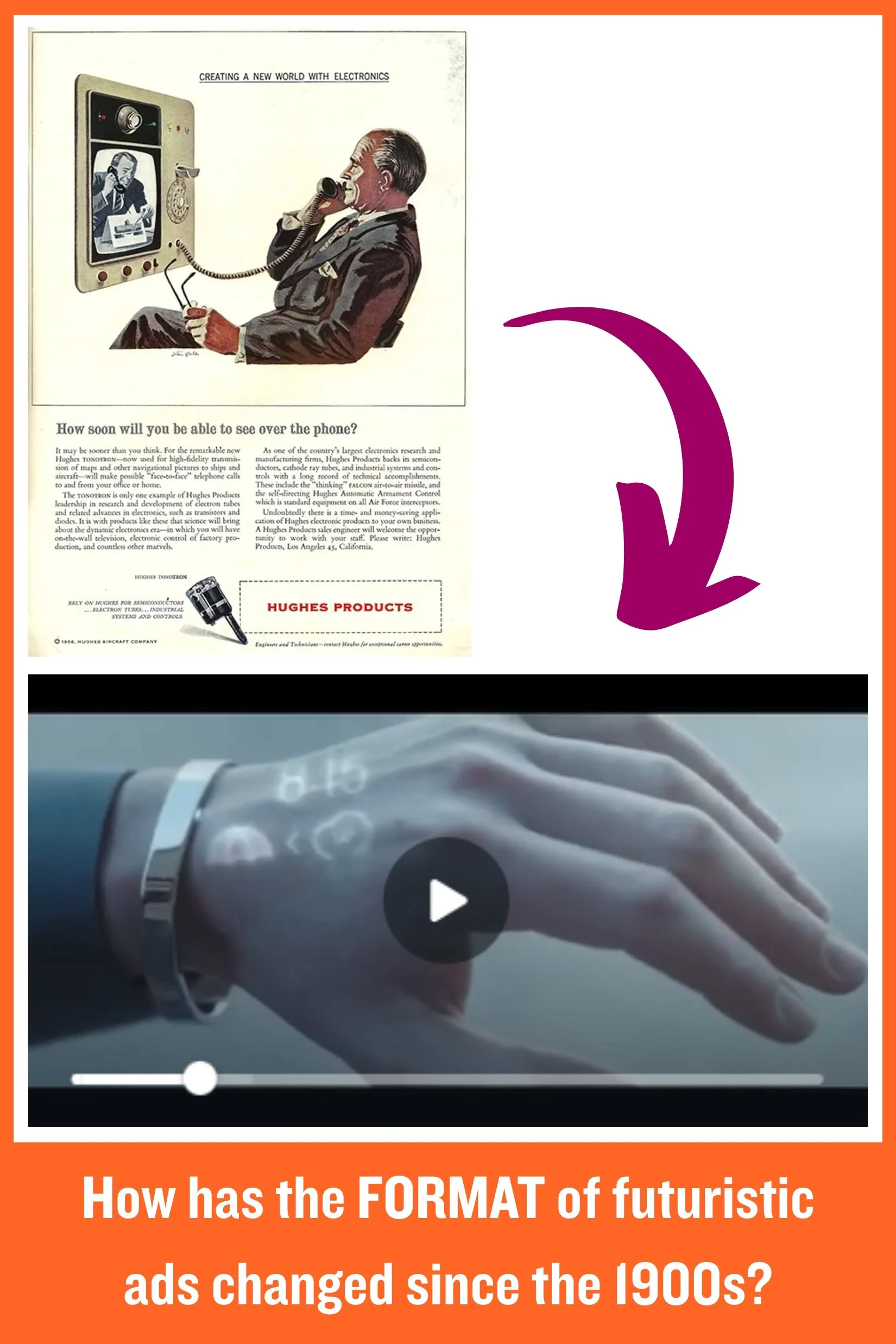
Videos!
Unlike old print ads, videos now bring the future to life with sound, movement, and storytelling.
Moving images help people feel more in the future instead of just looking at it.
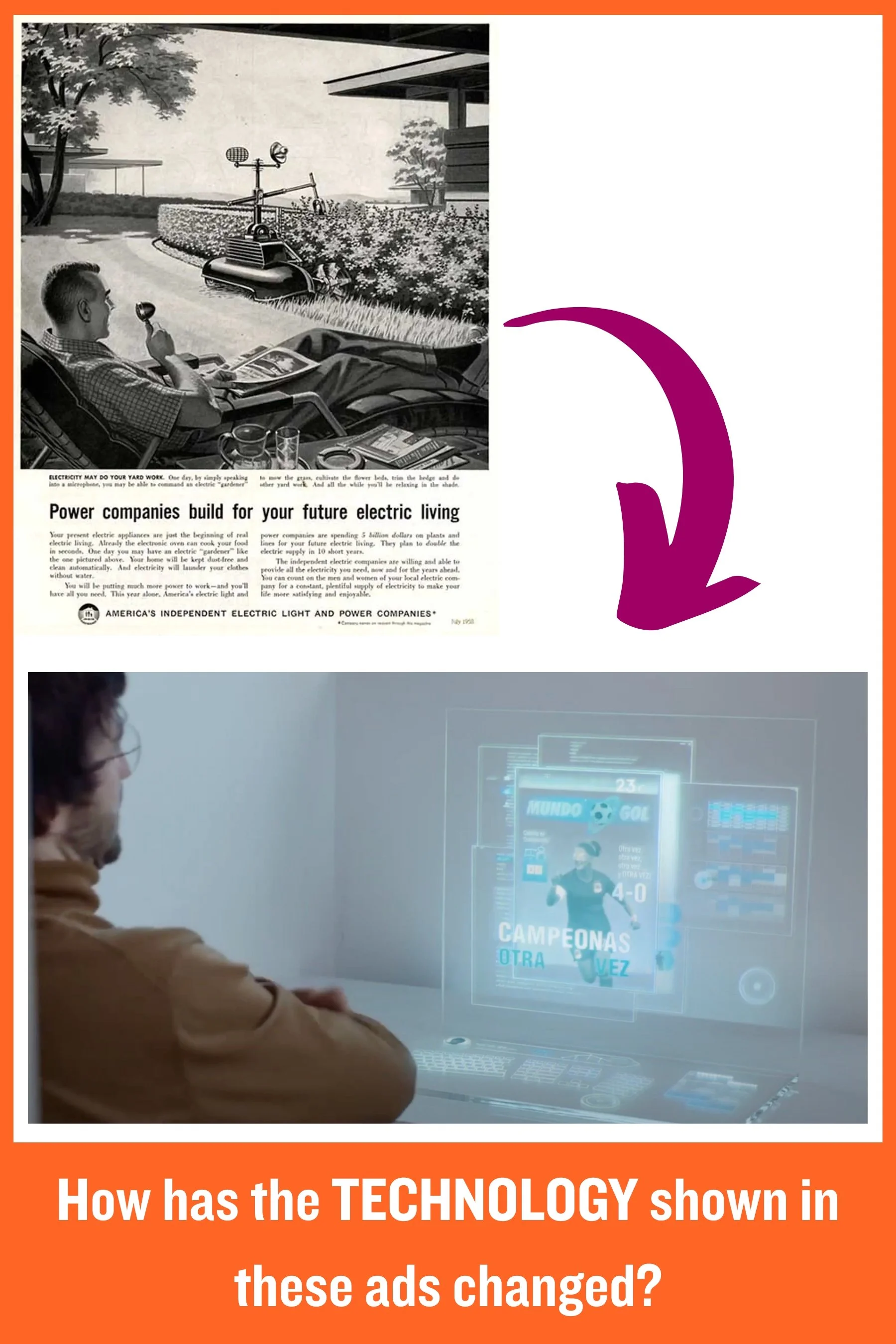
Screens instead of machines!
Today’s ads show holographic tablets, voice-activated assistants, and super-smart digital tools, instead of giant robots or flying cars taking up space.
It shows a quieter, smarter kind of future.
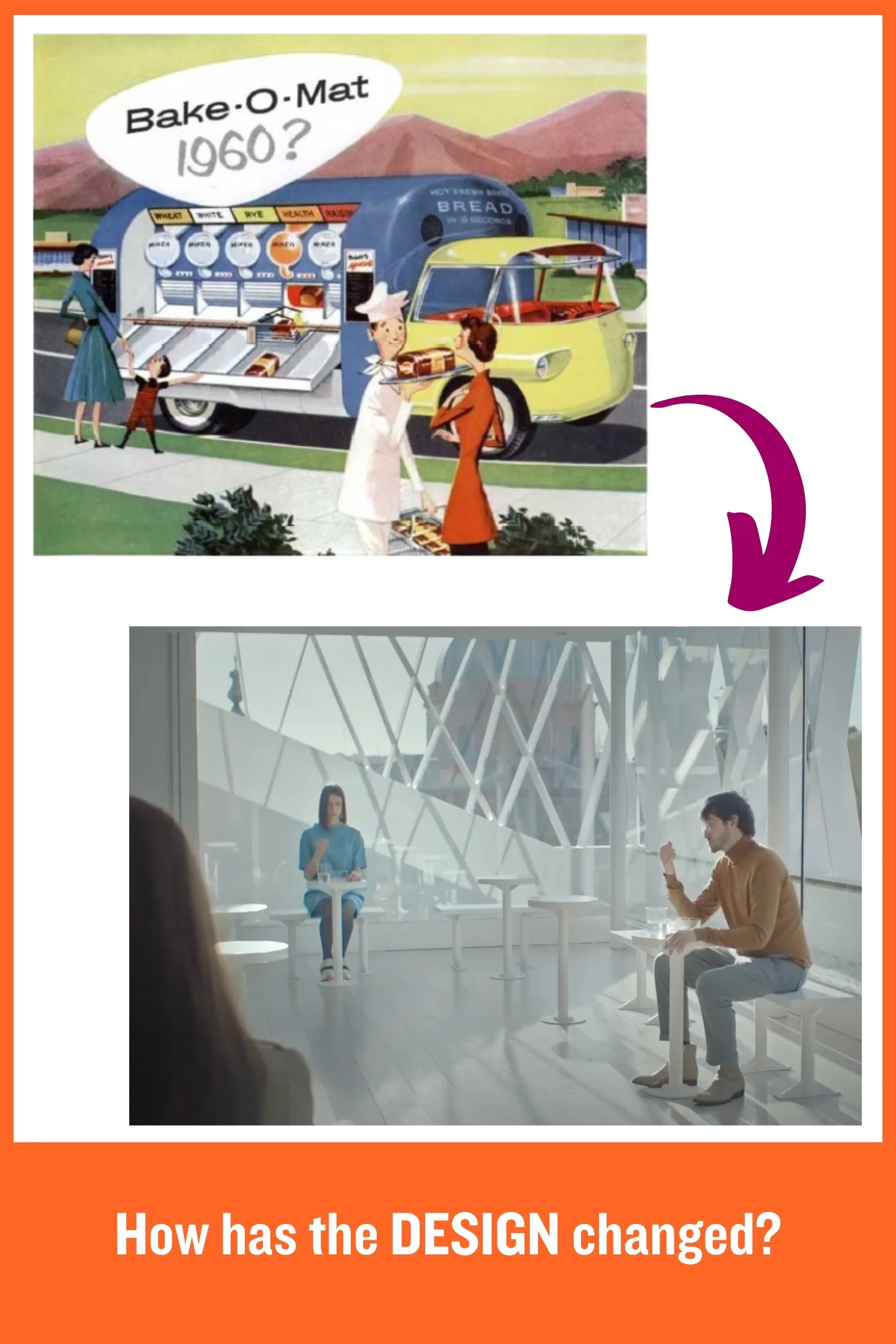
More realistic now!
Like in the past, the style is still “streamlined,” but now it looks less cartoonish, and feels like it could happen tomorrow.
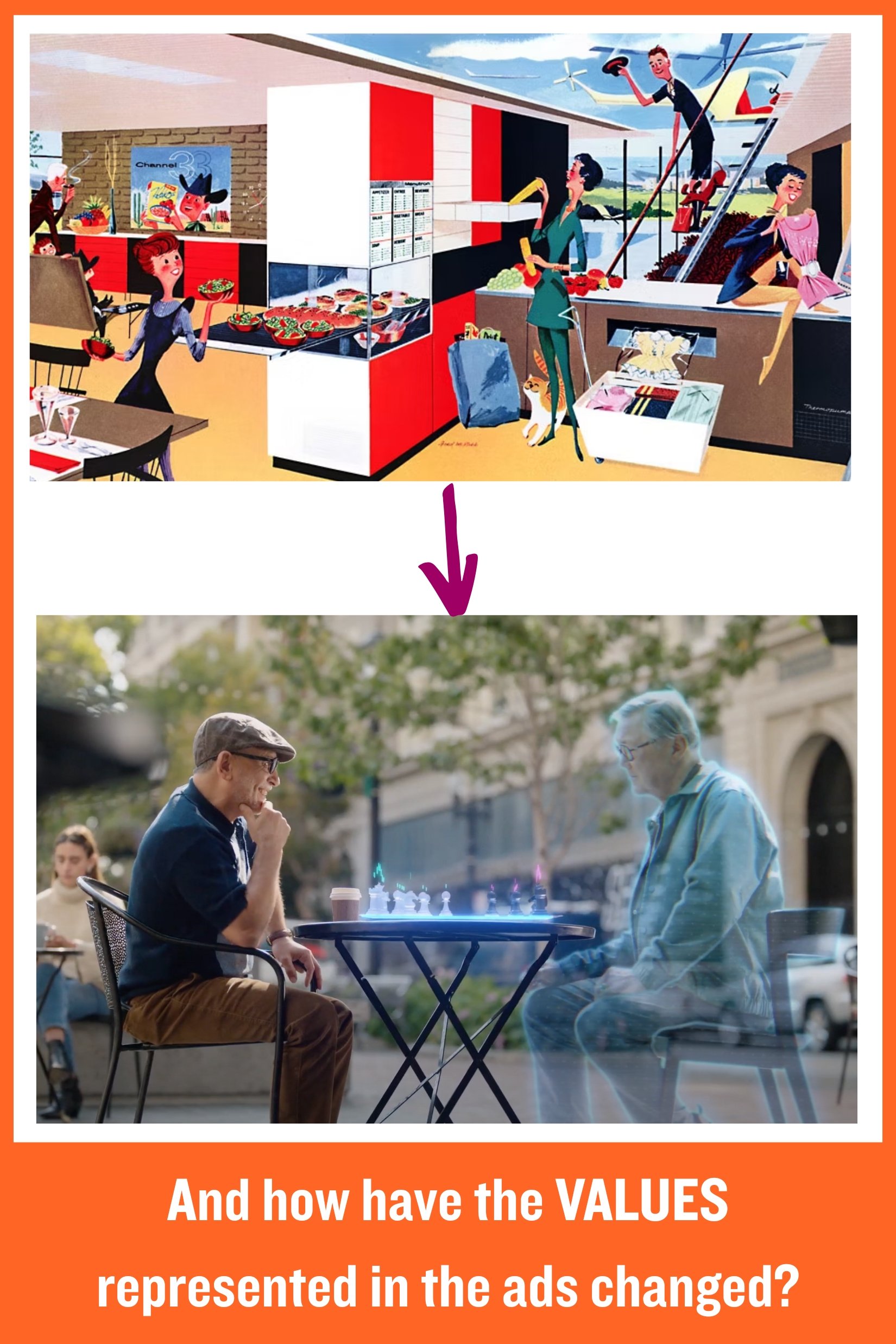
Now, they’re more about connecting with others!
Today’s ads focus on connection, inclusion, and being together, not just having fancy gadgets.
The message is: the future should bring people closer, not just make things easier.
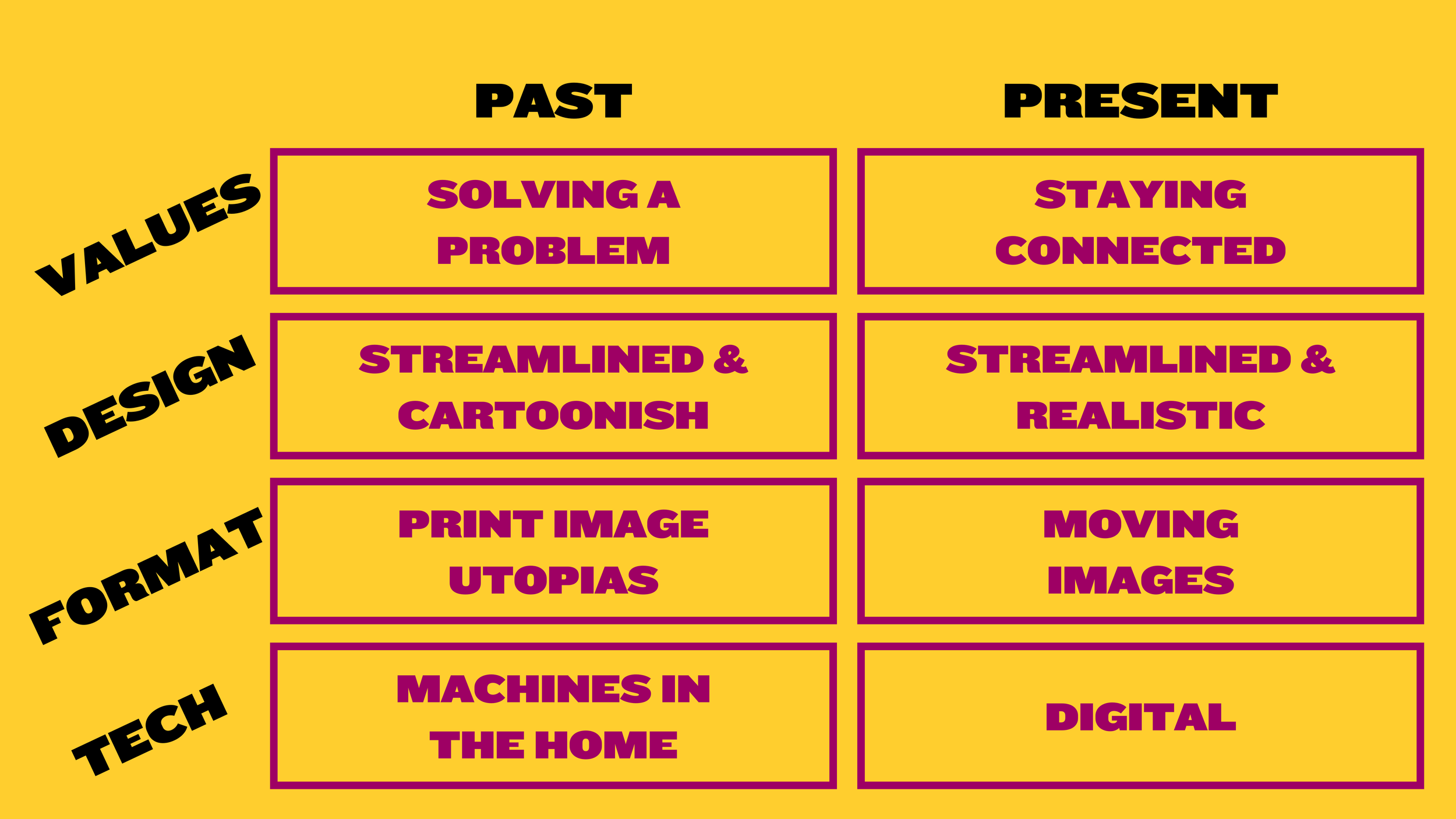
Let’s look at how the ads from the past & present compare:
Future World-Building Scenario
Now, let’s remind ourselves of the future scenario.
Imagine it’s the year 2050. A big event has happened—a solar storm that has wiped out digital hardware. Now, people use simple tools and printed paper again. But even in this hard future, people still need hope.
Your job:
Create a poster-style advertisement for a new product that would give people hope in this future where digital hardware has collapsed.
What might ads from a future without digital technology look like?
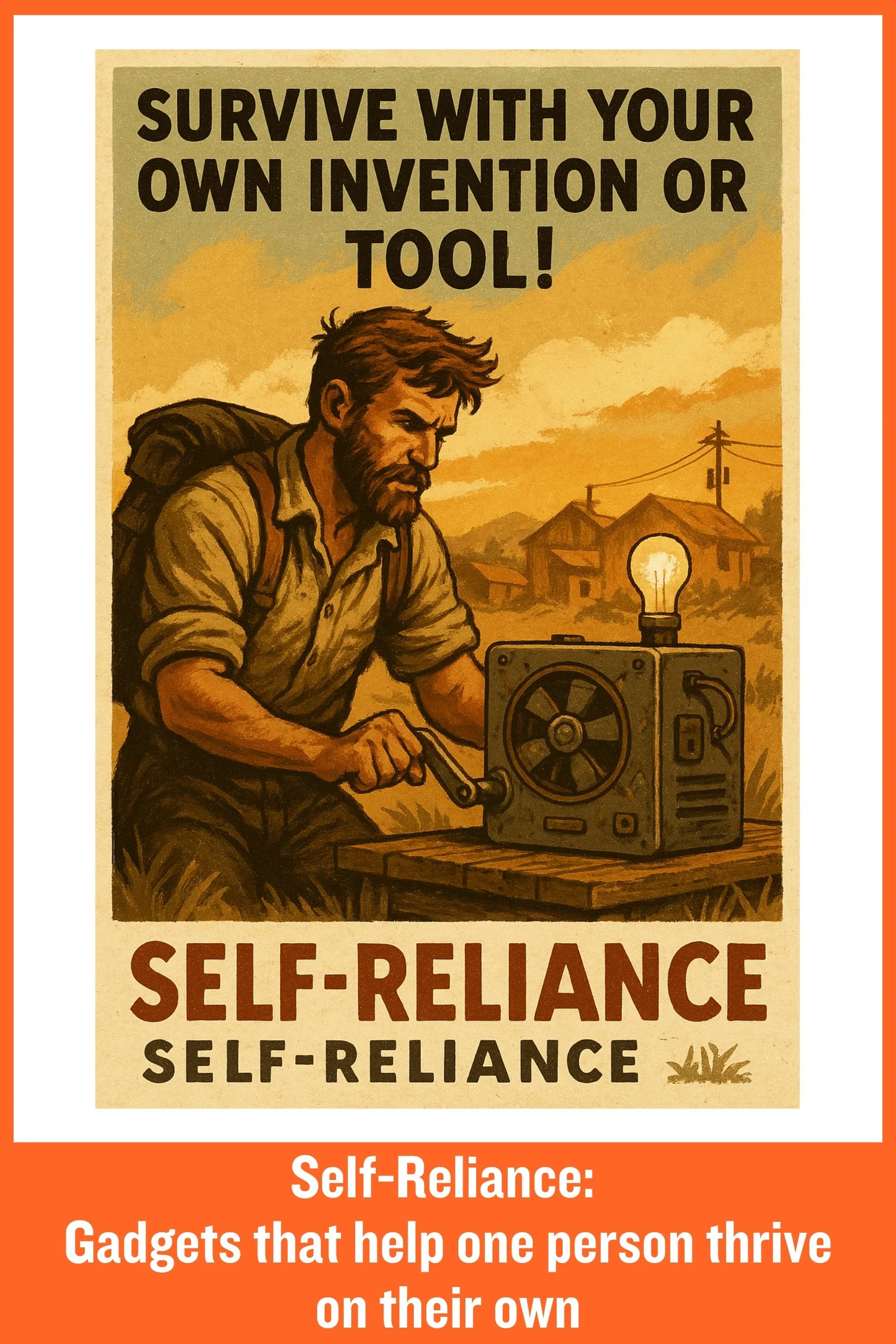
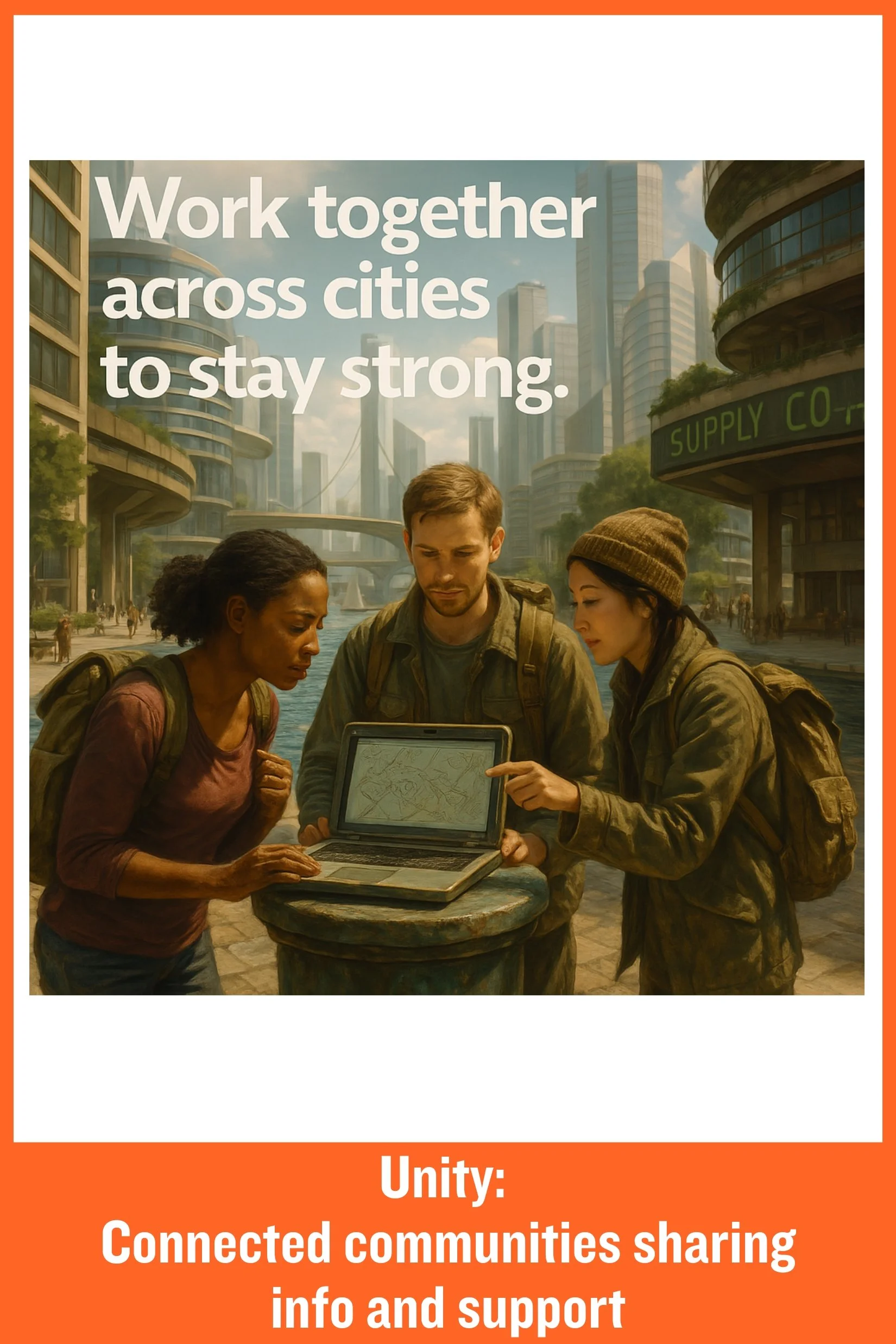
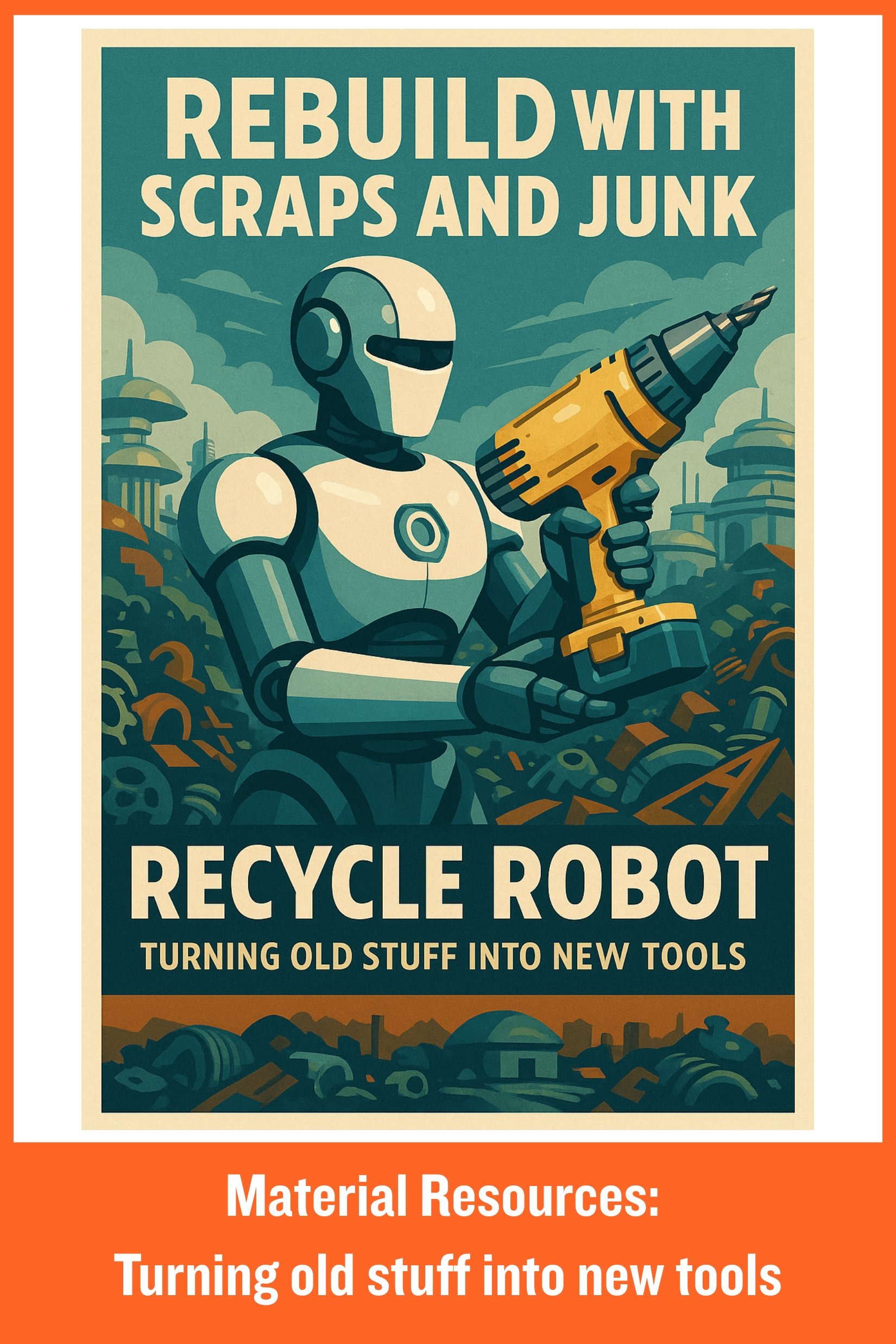
YOU get to choose!
Your ad should include:
A clear problem

What is hard about life with no digital technology? How does your product give hope?
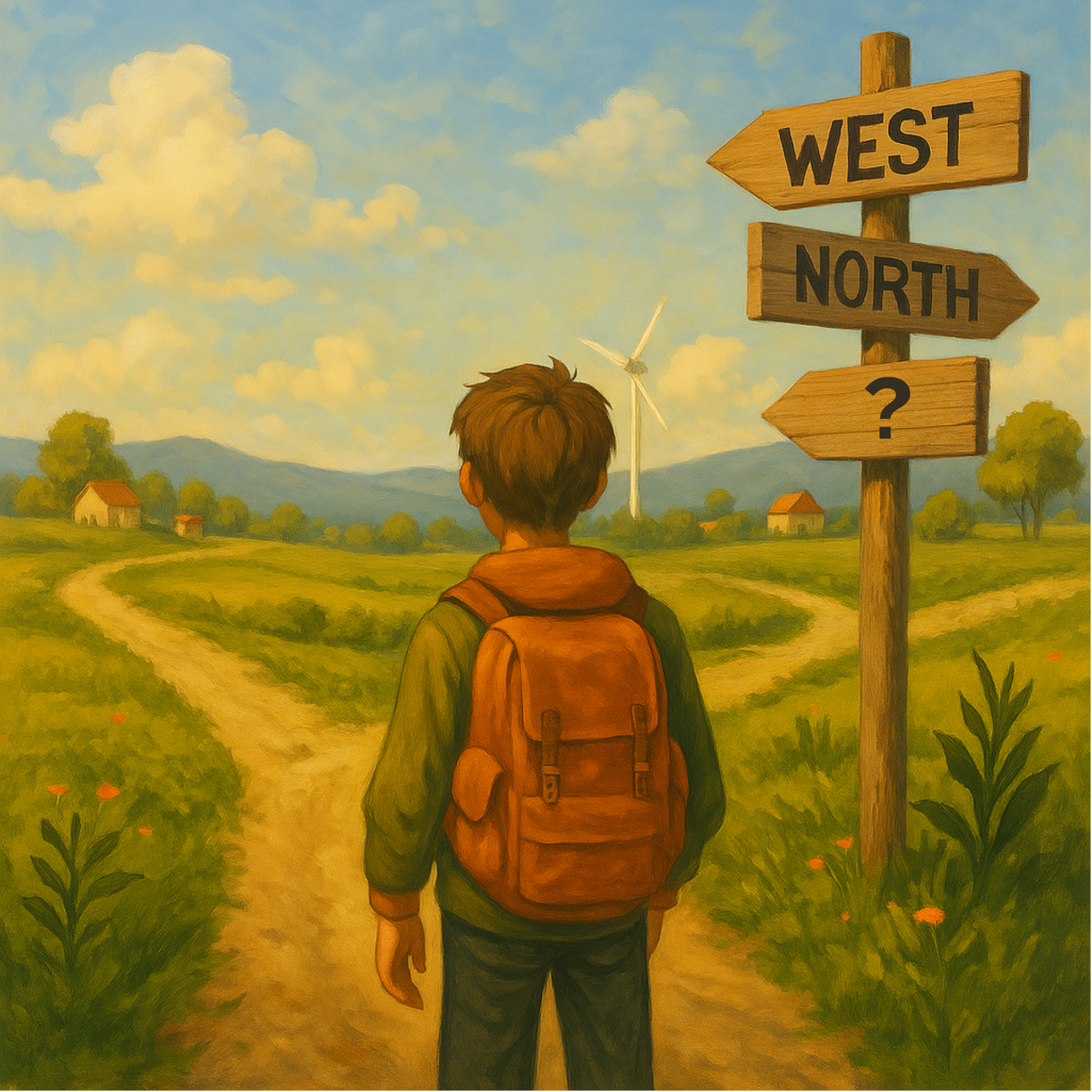
Ex. There are no GPS Apps.
How do people find their way or stay in touch?
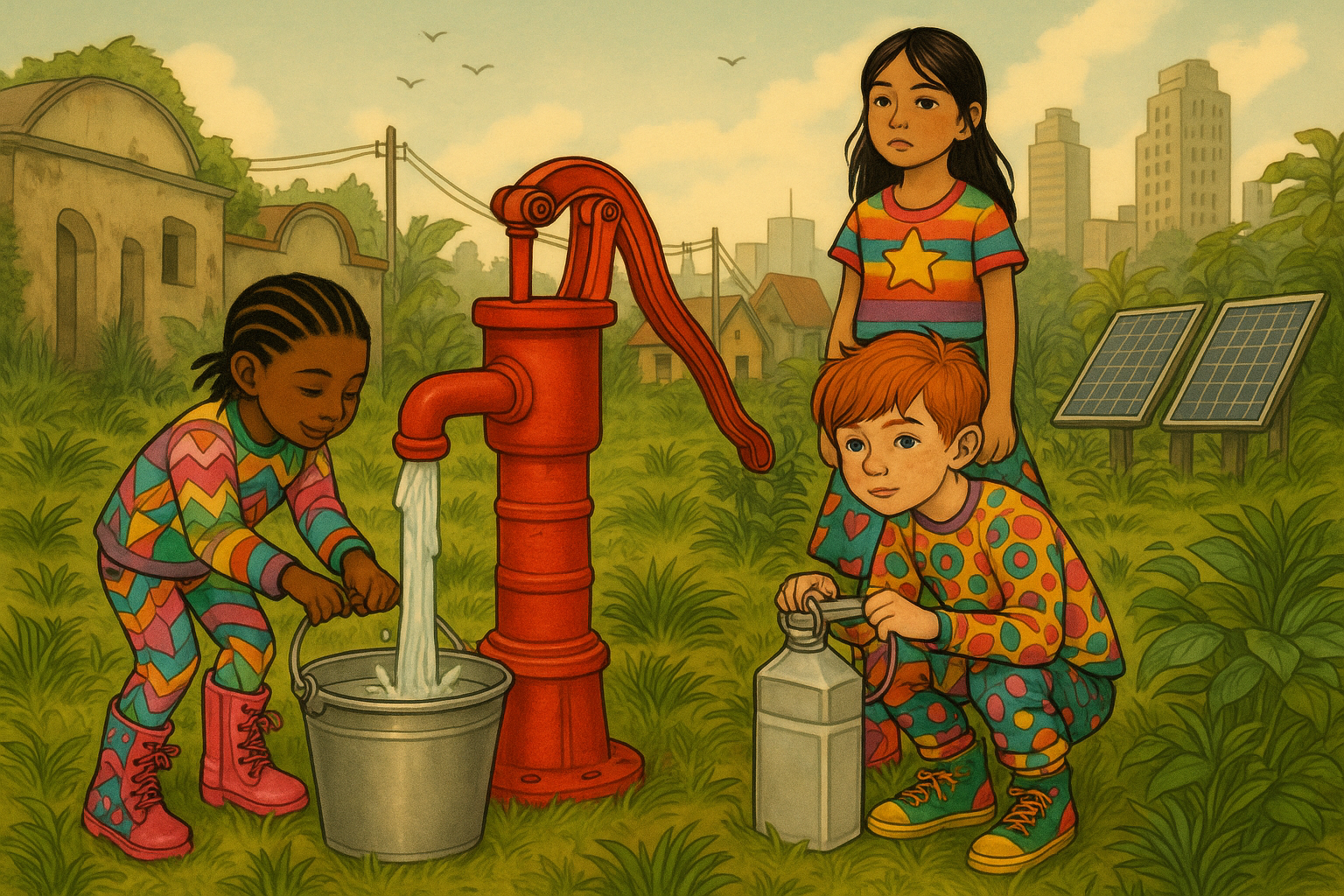
Ex. It’s hard to get clean water or power.
What simple tools can help people stay safe and healthy?
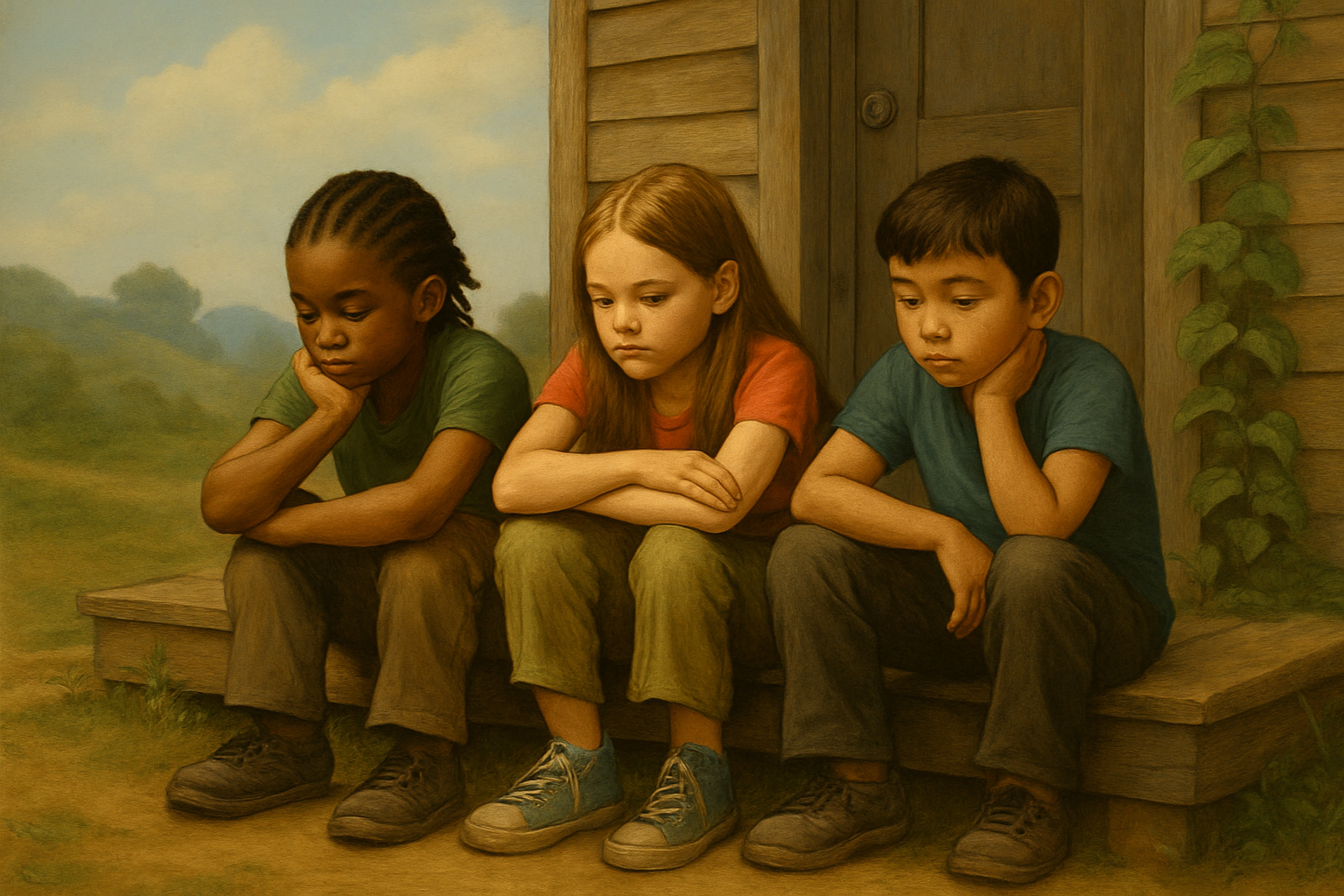
Ex. Kids are bored without video games and devices.
What brings joy or fun now?

Creative design

Past-Inspired
Use bold, streamlined shapes and dramatic, futuristic scenery (like flying cars or robots).
Choose your design style:
Present-Inspired
Use realistic, streamlined designs or eco-friendly, minimalist tools.

Future-Inspired
Come up with a new style all your own!
World-building

What does the world look like now?
Ex. Solar trees that grow panels like leaves to power homes
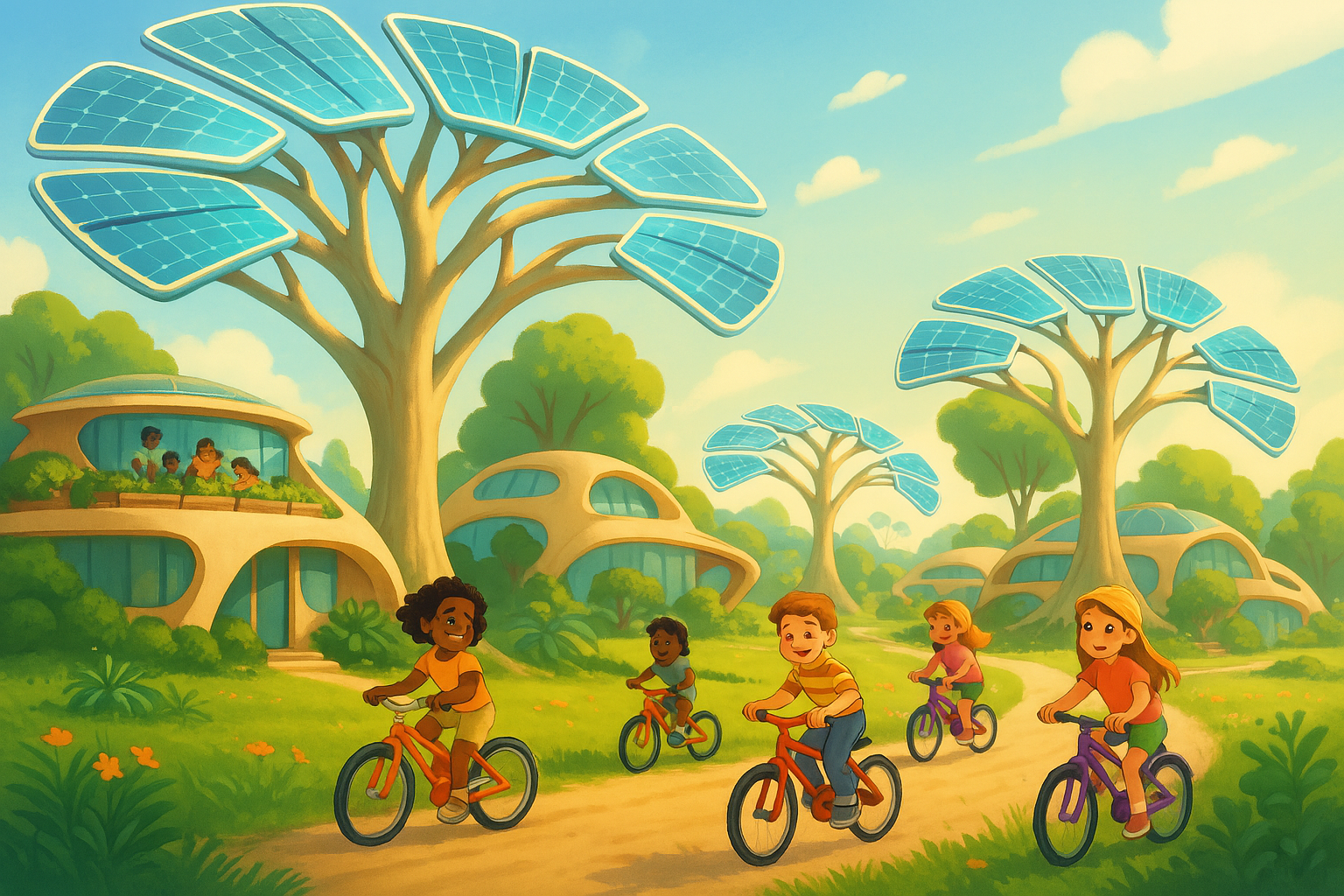
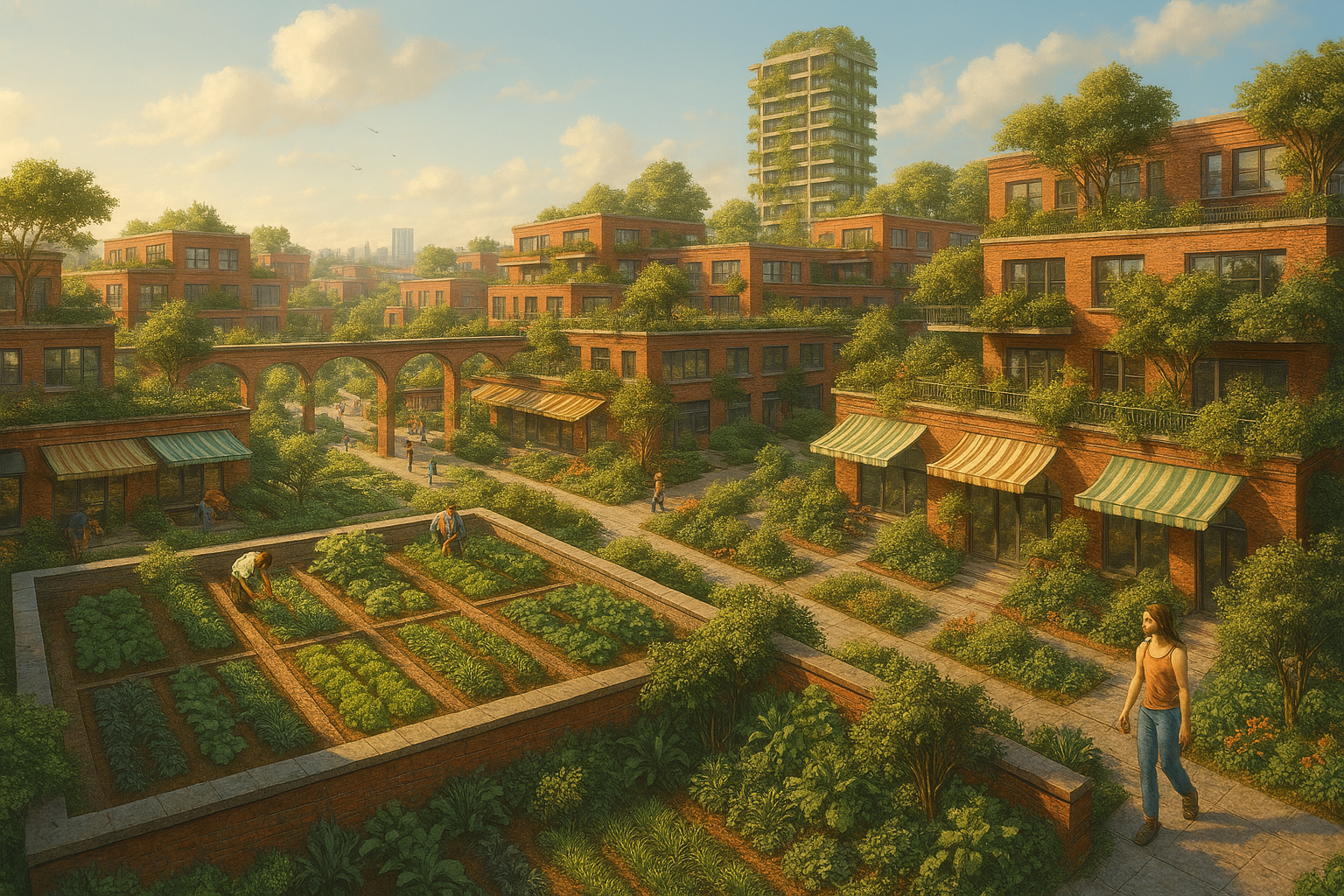
Ex. Garden cities—whole neighborhoods that grow food on rooftops and walkways
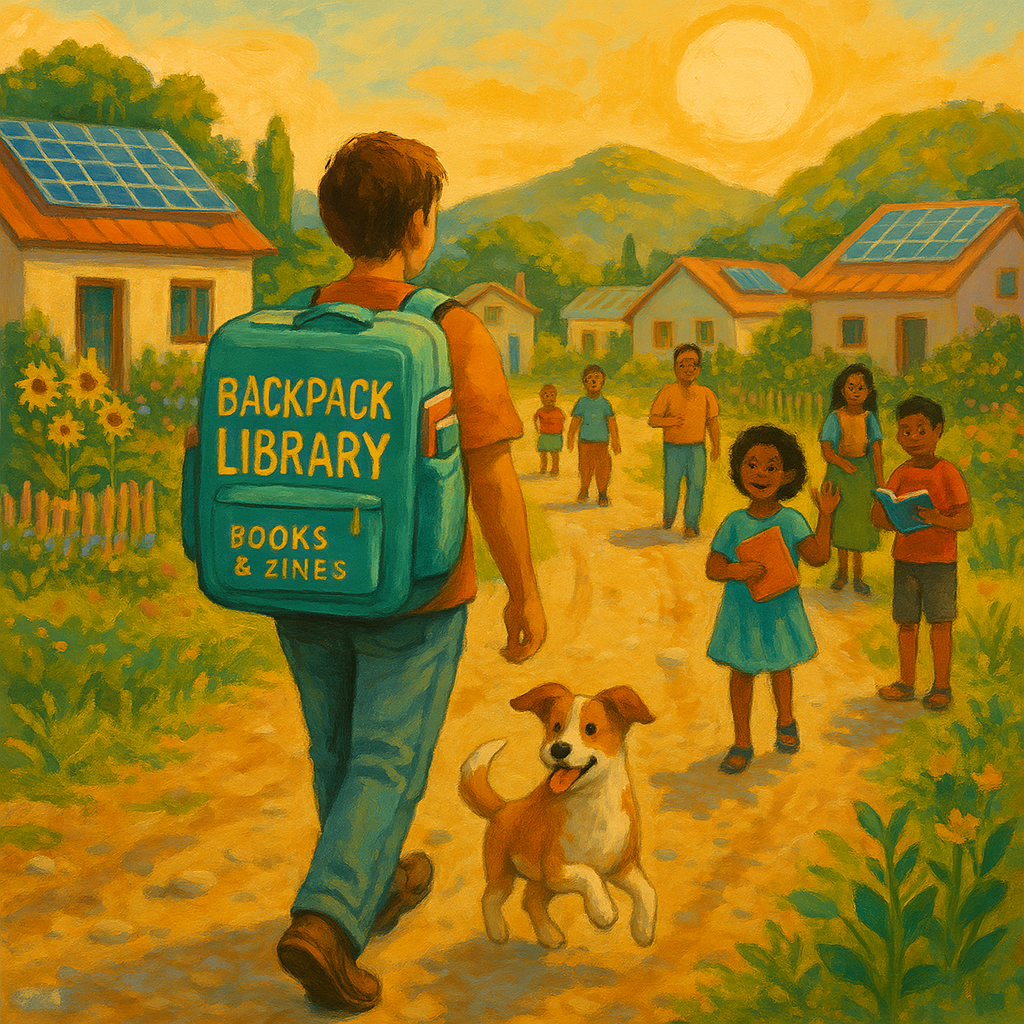
Ex. Backpack libraries that walk from town to town with shared books and zines
Helpful technology

Your product doesn’t have to be super high-tech—just make sure it helps people live better in this future world!
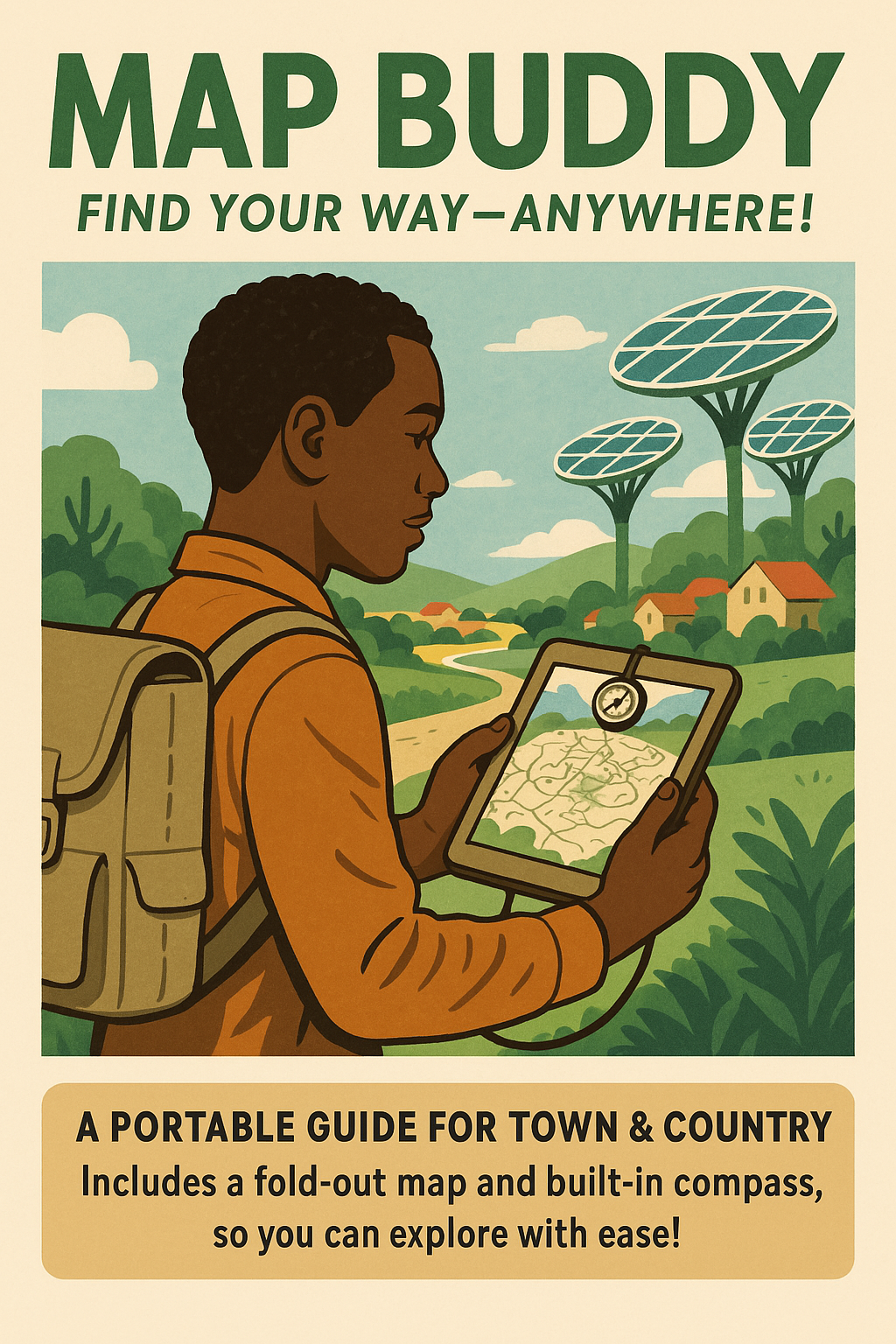
Ex. Map Buddy
A hand-drawn, wearable map that glows in the dark and updates with stamps or stickers from travelers

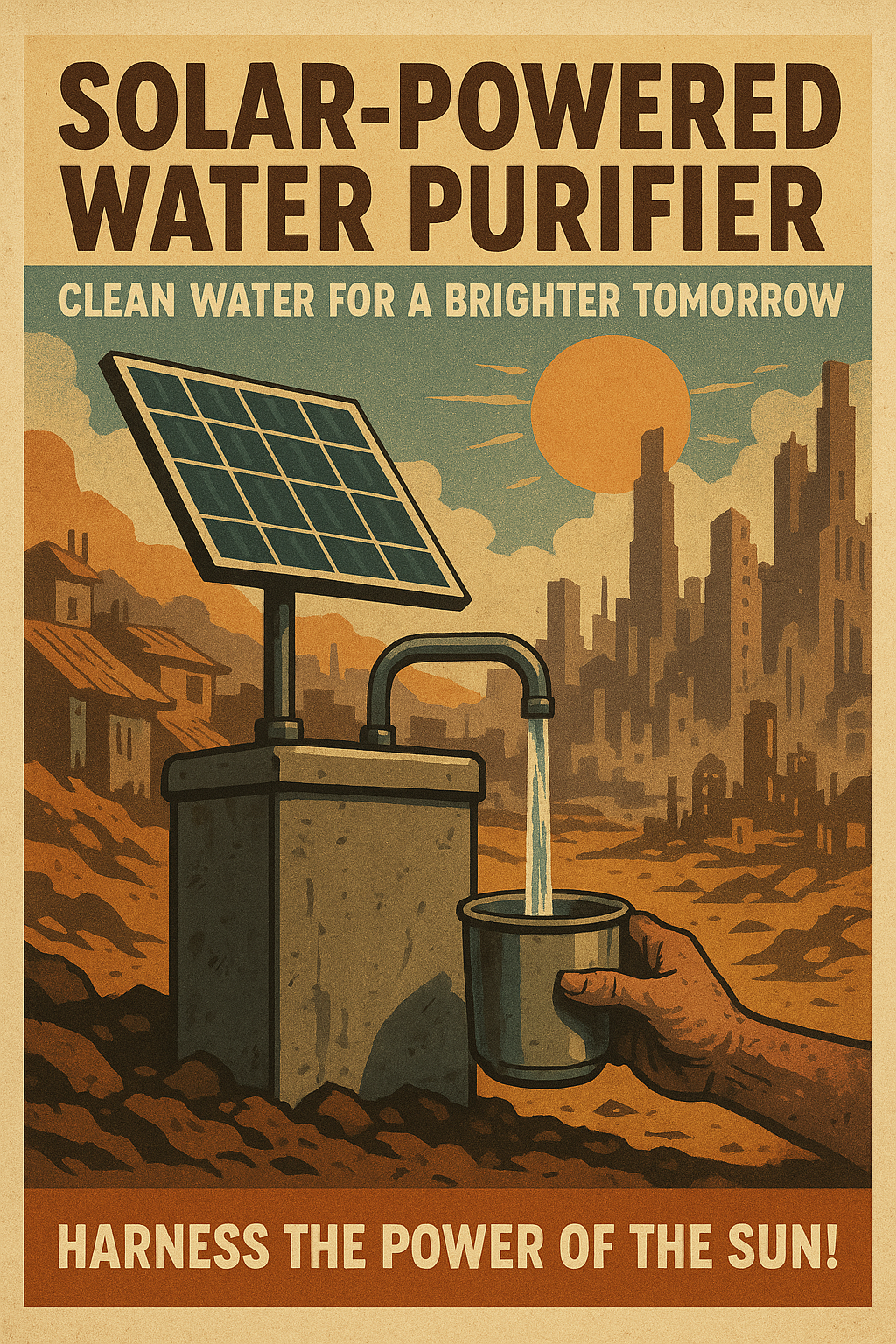
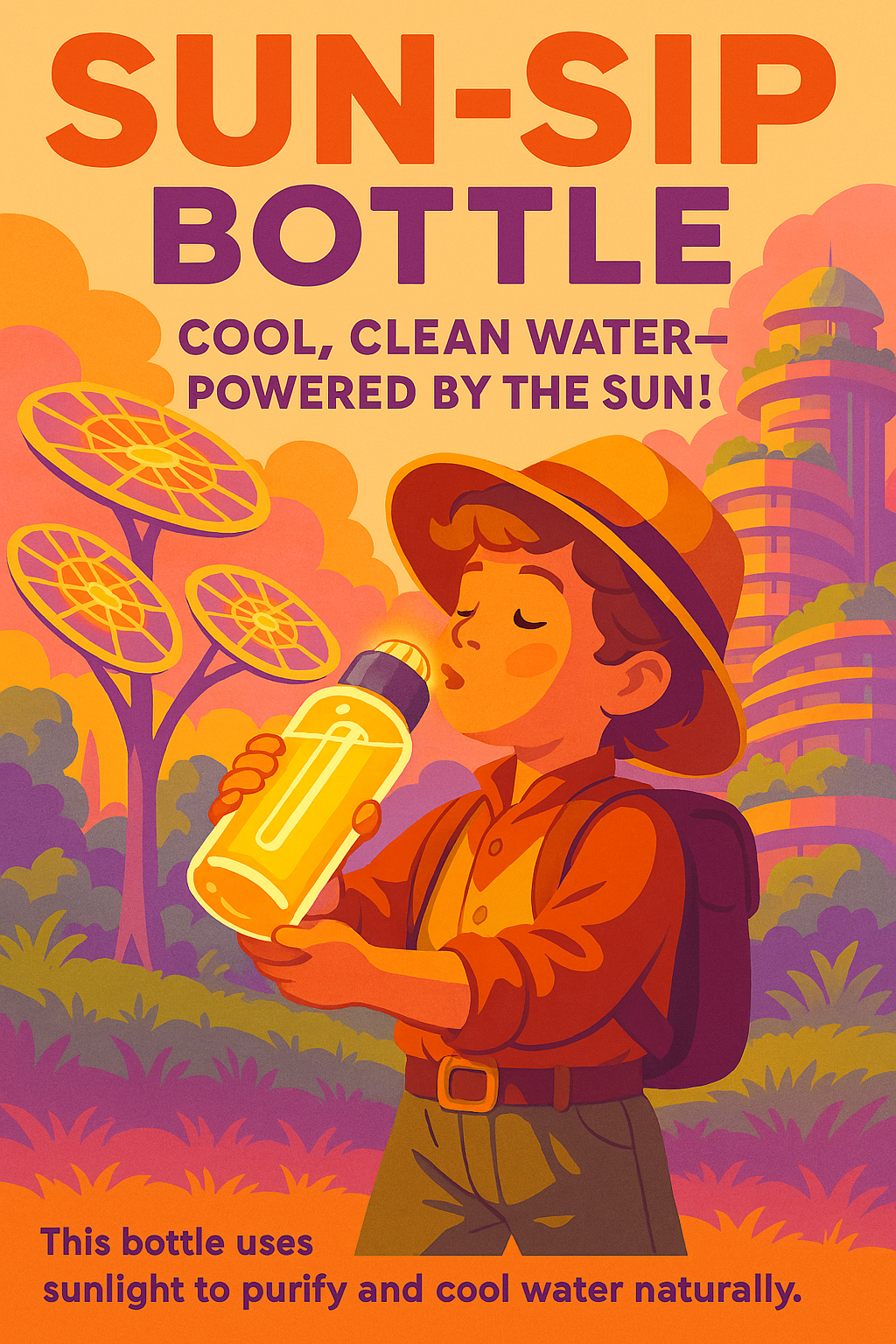
Ex. Sun Sip Bottle
A solar-powered purifier that filters and cools water while you walk
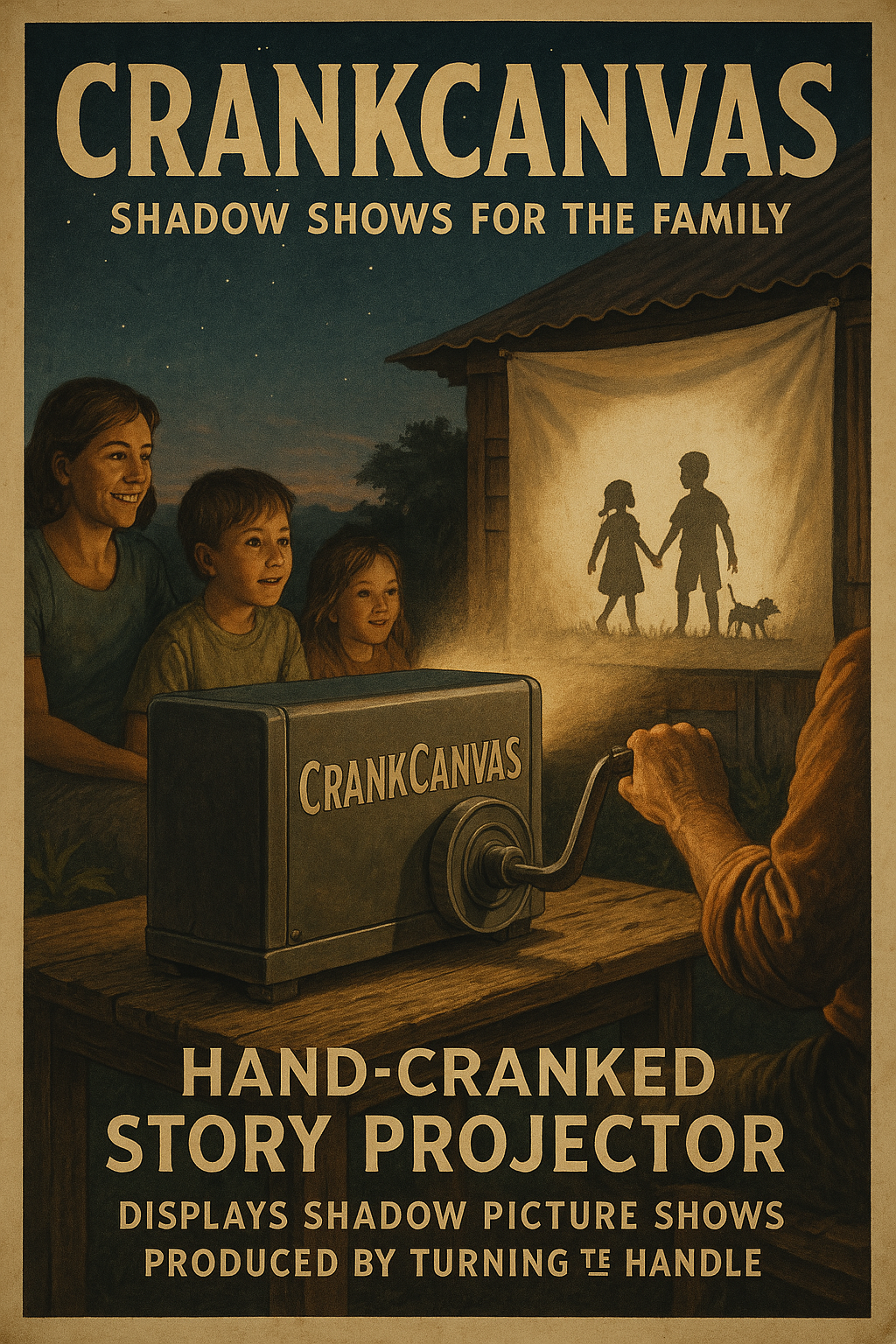
Ex. Crank Canvas
A hand-cranked story projector that displays shadow shows for families at night

Let’s get started!
THINK
How would we design a futuristic ad from a future without digital tech, including:
A clear problem;
Creative design;
World-building; and
Helpful technology?
DESIGN
Use our template or a blank piece of paper to draw your future advertisement, including:
A big, bold image of your product in use
A catchy name for your product
A tagline or slogan that tells people why they need it
A description of what your product is or its features, and why it will be helpful!
GENERATE
Fill in the template prompt to have ChatGPT bring your future advertisement to life–or get creative and experiment with your own prompts!
Visit chatgpt.com and paste the prompt to have ChatGPT create a realistic image of your advertisement!
SHARE
Don’t forget to share your designs–in all their forms–with us at Into the Future!
Email photos to info@intothefuture.nyc and we’ll share on our website!